About the Founder
I spent thirty-nine years watching men suffer for no reason at all.
By the time a man turns 65 inside, the argument that he is a danger to anyone has usually run out. What is left is a body breaking down in a place that was never built to care for it. I watched that happen for thirty-nine years, and I decided to do something about it — first from the inside, and now from out here.
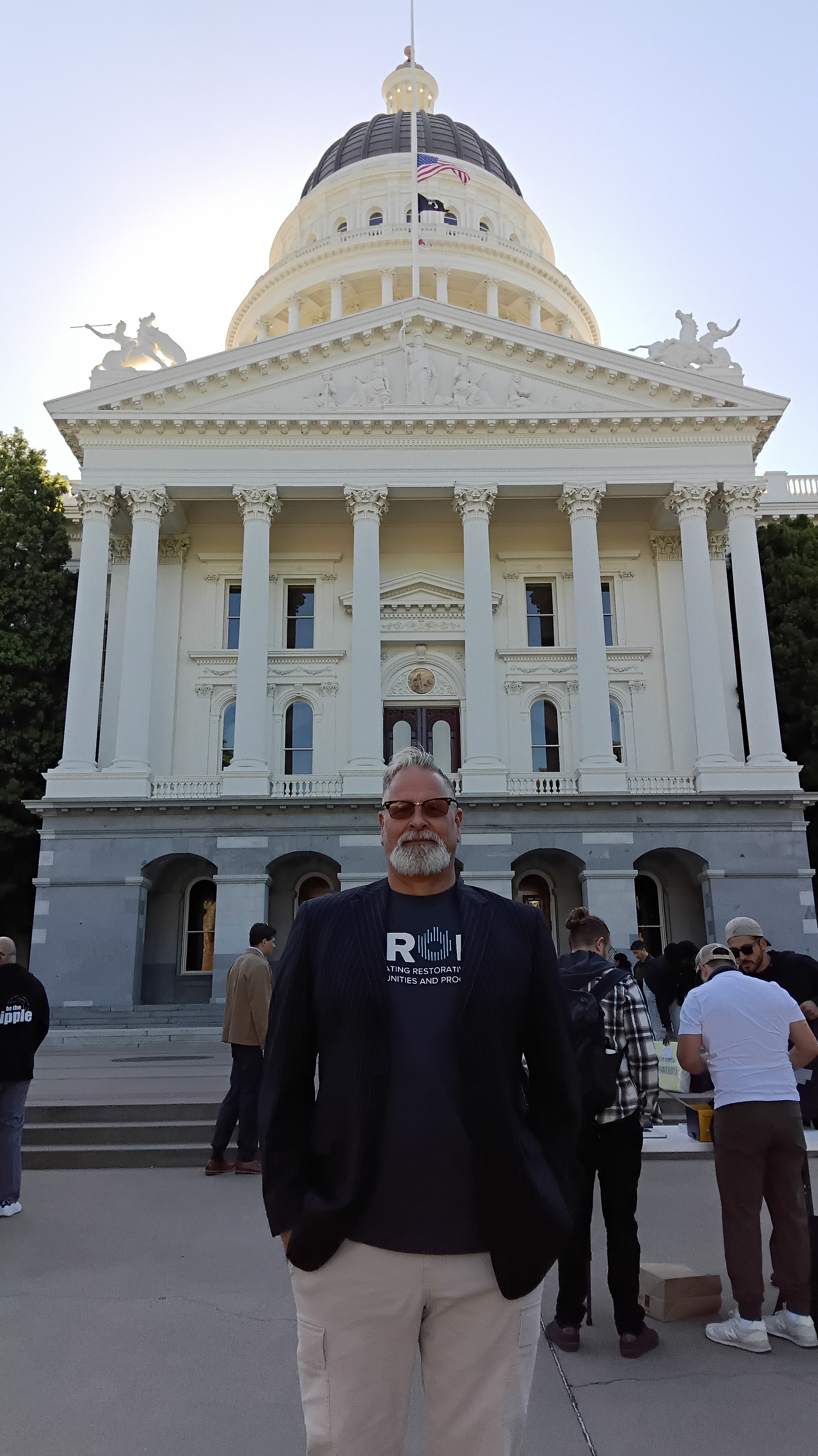
- 39 years
- Lived experience inside
- 12 years
- Served as a law clerk
- Founder
- Seniors Affairs & ADA Committee
Personal Testimony
In my own words.
I didn't start The Revive Project because I read about compassionate release in a textbook. I started it because I watched good men die in prison.
In my earlier years of incarceration, I became a community resource person for elderly and ADA inmates. I was in my 40s when I first saw the reality: our prison system was never designed for people with disabilities or aging bodies. The staff didn't care. The younger inmates preyed on them. And the medical wards? Men sat alone, isolated, their basic human needs unmet.
I spent years in the prison law library helping men navigate a legal system that felt impossibly complex. They were dealing with cognitive decline, the stress of aging in an environment that didn't understand them, and legal processes that might as well have been written in another language. Many simply gave up because the barrier felt too high.
Then there was my friend Robert. Heart capacity at 30 percent. Completely wheelchair dependent — couldn't push it himself because of arthritis. Three prosthetic hip replacements from an ambush before his incarceration. Diabetes. Failing kidneys. Shortness of breath. He could not ambulate. And despite all of this, the state fought hard to keep him inside.
The DA attacked the doctors' credibility. They used hyperbole to paint him as someone faking his conditions, malingering for sympathy. The bitterness of his victims was announced in open court: they wanted him to rot in prison.
But Robert's case taught me something crucial: even if a man wins his compassionate release case, he is only halfway there.
The real crisis happens at release. These men — especially the elderly and disabled — walk out of prison with no reentry plan, no understanding of the medical support they need, no connections to community resources. They have spent decades inside. The world has changed. Their bodies are failing. And suddenly they are supposed to navigate healthcare systems, find housing, manage complex medical regimens, all while processing the trauma of incarceration and the grief of lost time.
I had become an expert on parole relapse and reentry planning. I understood the gap. The compassionate release fight is the battle. The reentry plan is what determines whether that person actually survives and thrives on the outside.
Now, The Revive Project does both. We help you fight for your freedom. And we build the reentry infrastructure you need to actually make it once you're out. Because getting out of prison is only the beginning. Living well after incarceration is the real victory.
For families watching someone you love suffer: we understand what is at stake. For people inside seeking release: we believe in your case and we will fight for your dignity. Change is possible. And every person deserves a real plan to make it happen.
The Work
How advocacy turned into a process that works.
- 1
The Seniors Affairs Committee
At Mule Creek State Prison I founded the Seniors Affairs Committee, a special interest group for aging and disabled men. We brought ADA violations and untreated medical conditions directly to the people who could act on them — the wardens, the heads of the medical departments, and the federal receiver overseeing prison health care.
- 2
Twelve years as a law clerk
When I transferred, I carried the work with me and spent twelve years as a law clerk. That is where the advocacy became technical: reading the statutes, learning what the courts actually require, and helping men build records that agencies could not simply set aside.
- 3
A friend who was told no
My friend met the criteria for compassionate release on both grounds — an end-of-life trajectory, and a disability severe enough that he posed no threat to anyone. His own primary care doctor denied him anyway. So I built a strategic plan and started working it.
- 4
Approved, opposed, and ordered released
Three months after I initiated it, every doctor in the chain approved, all the way up to California Correctional Health Care Services. The District Attorney opposed us in court across five days and more than twenty hours of argument. The judge ruled in our favor. My friend was ordered released.
In the Community
Giving it back to the community that took me back.
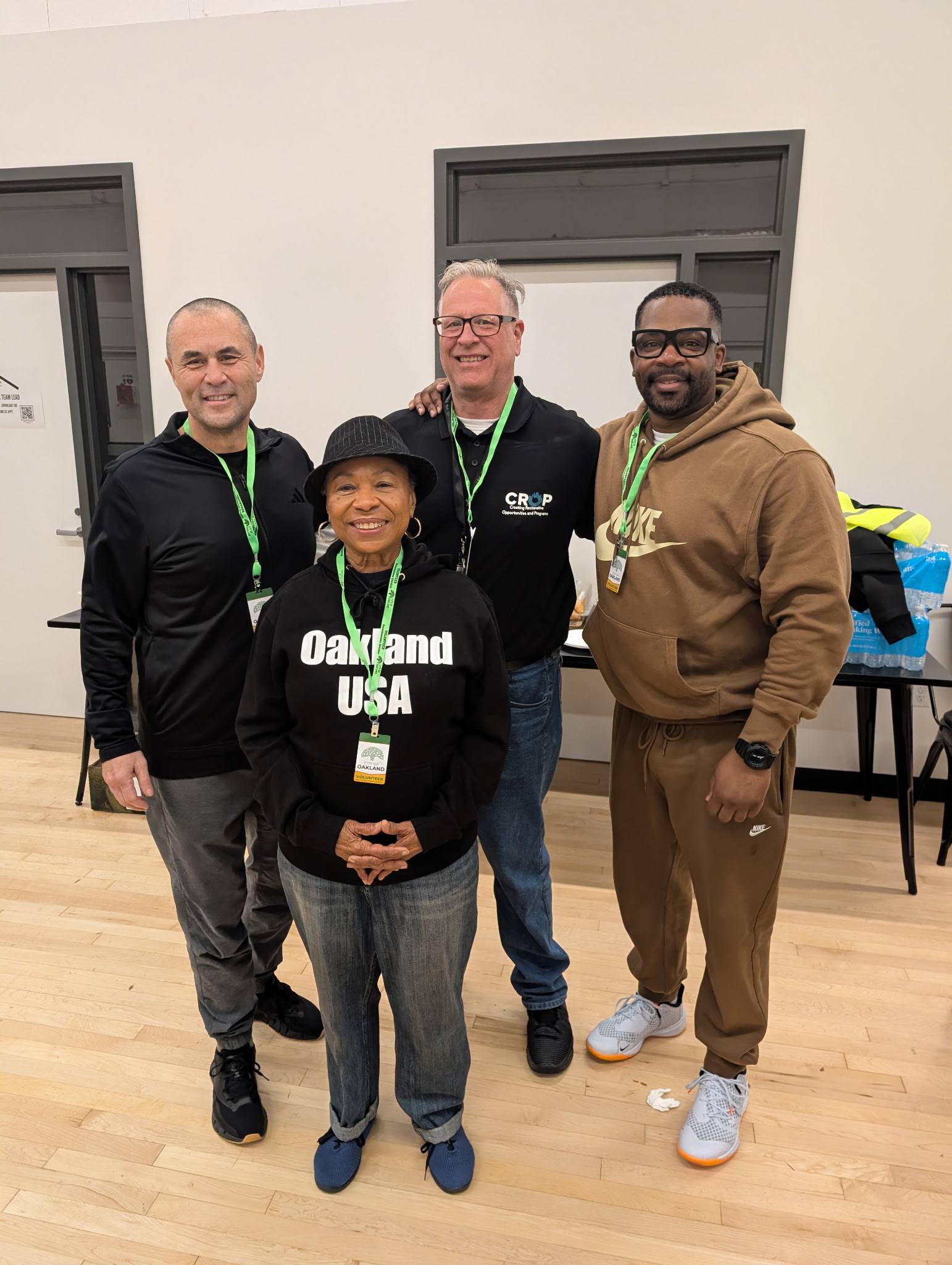
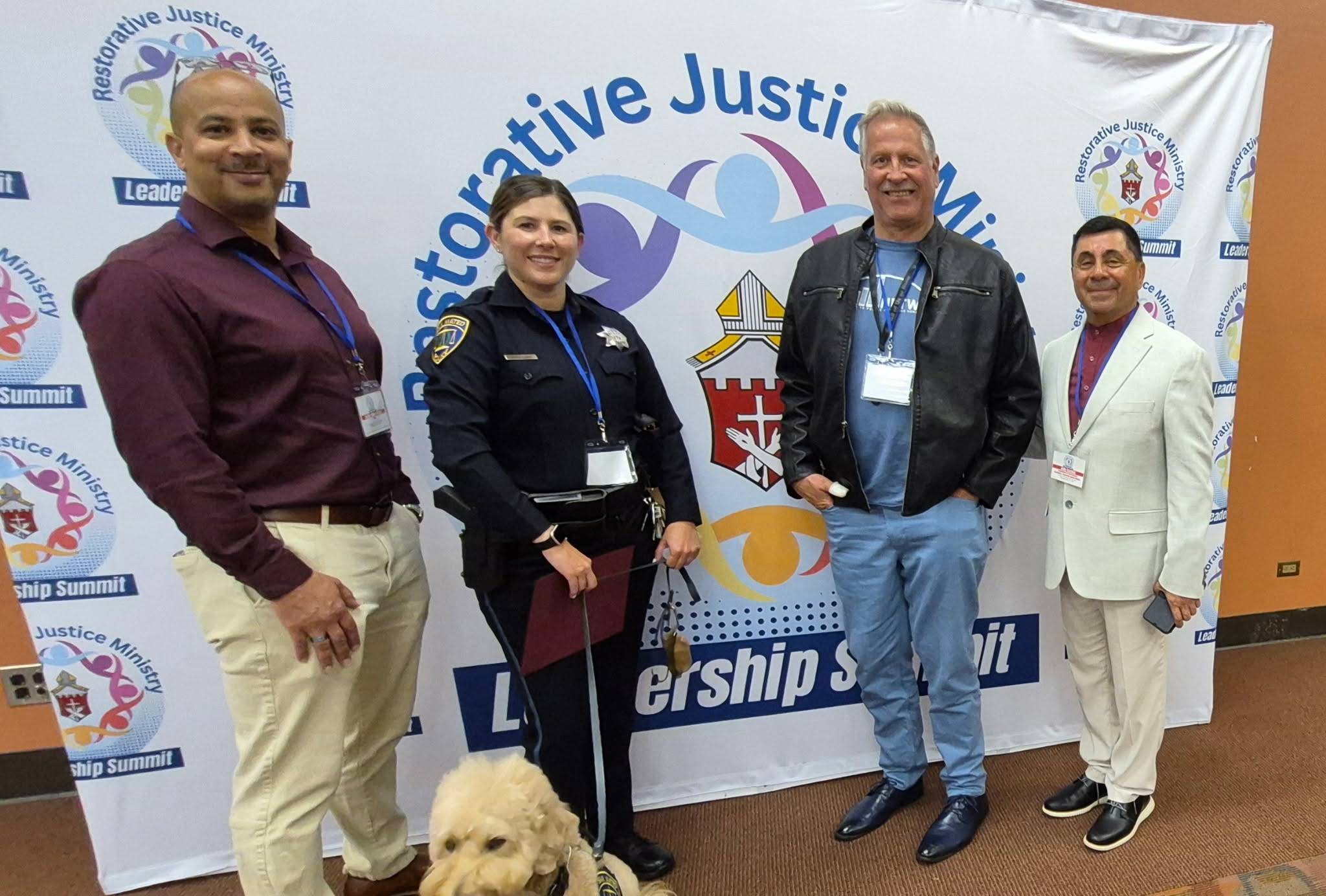
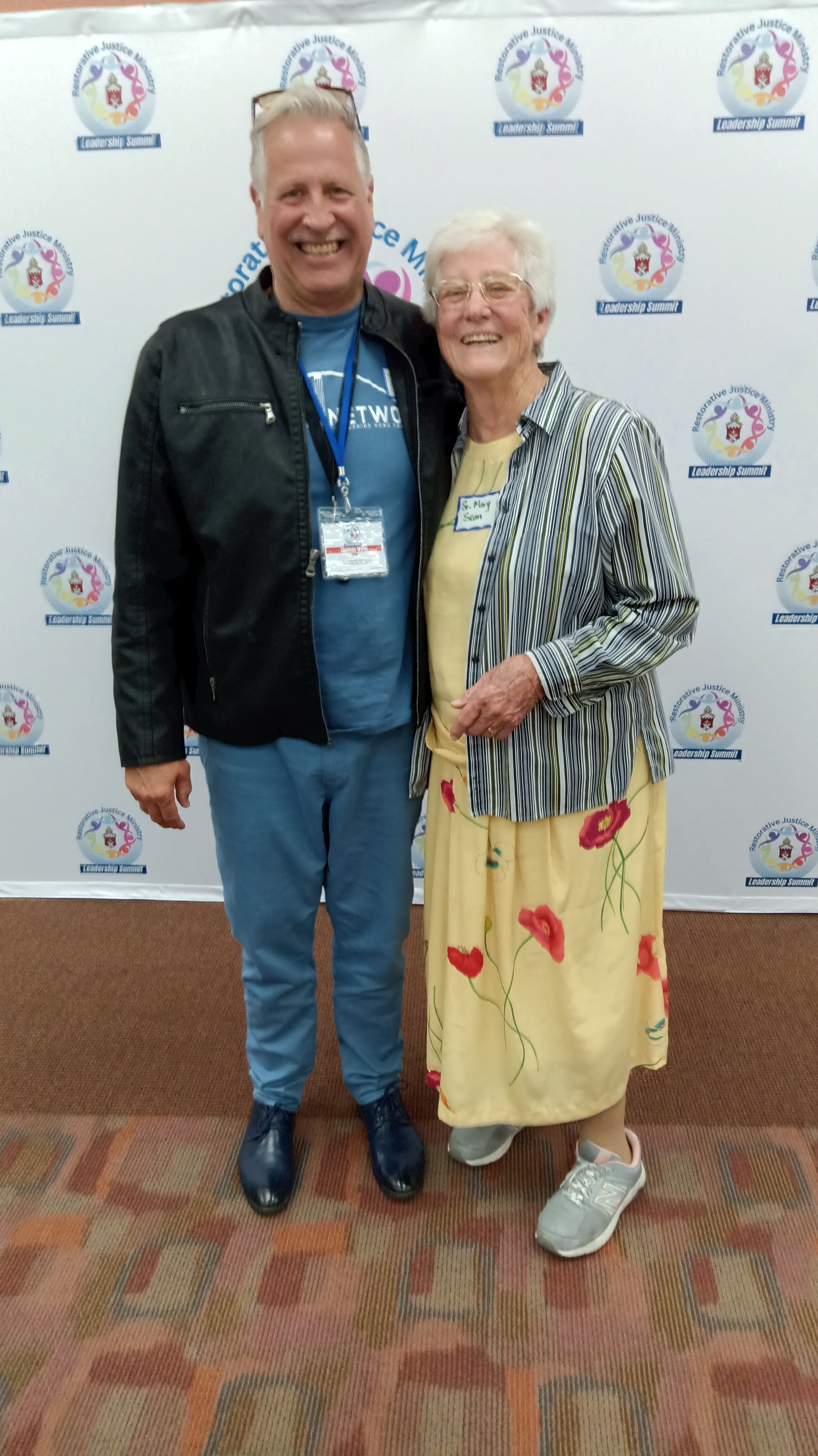
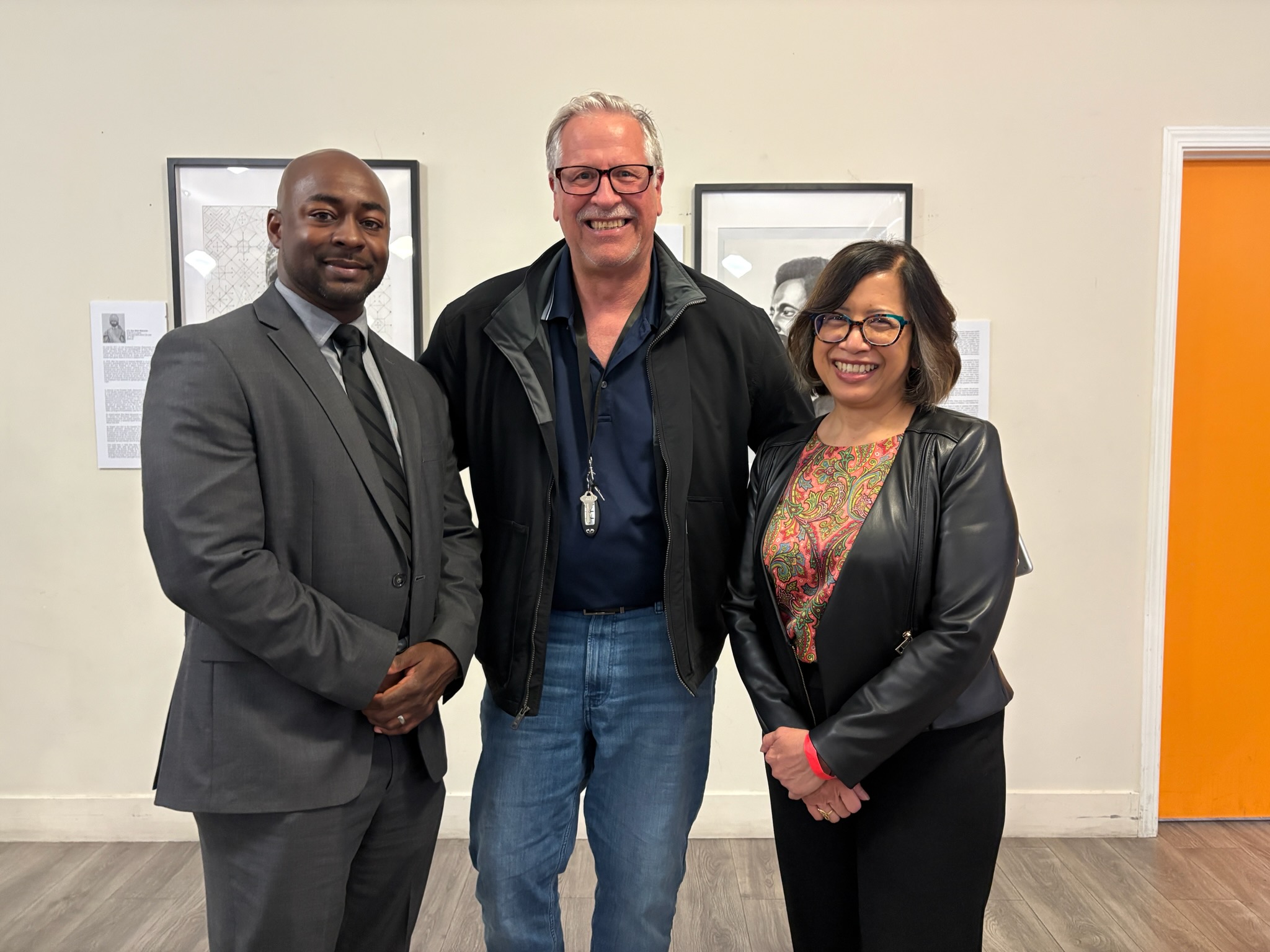
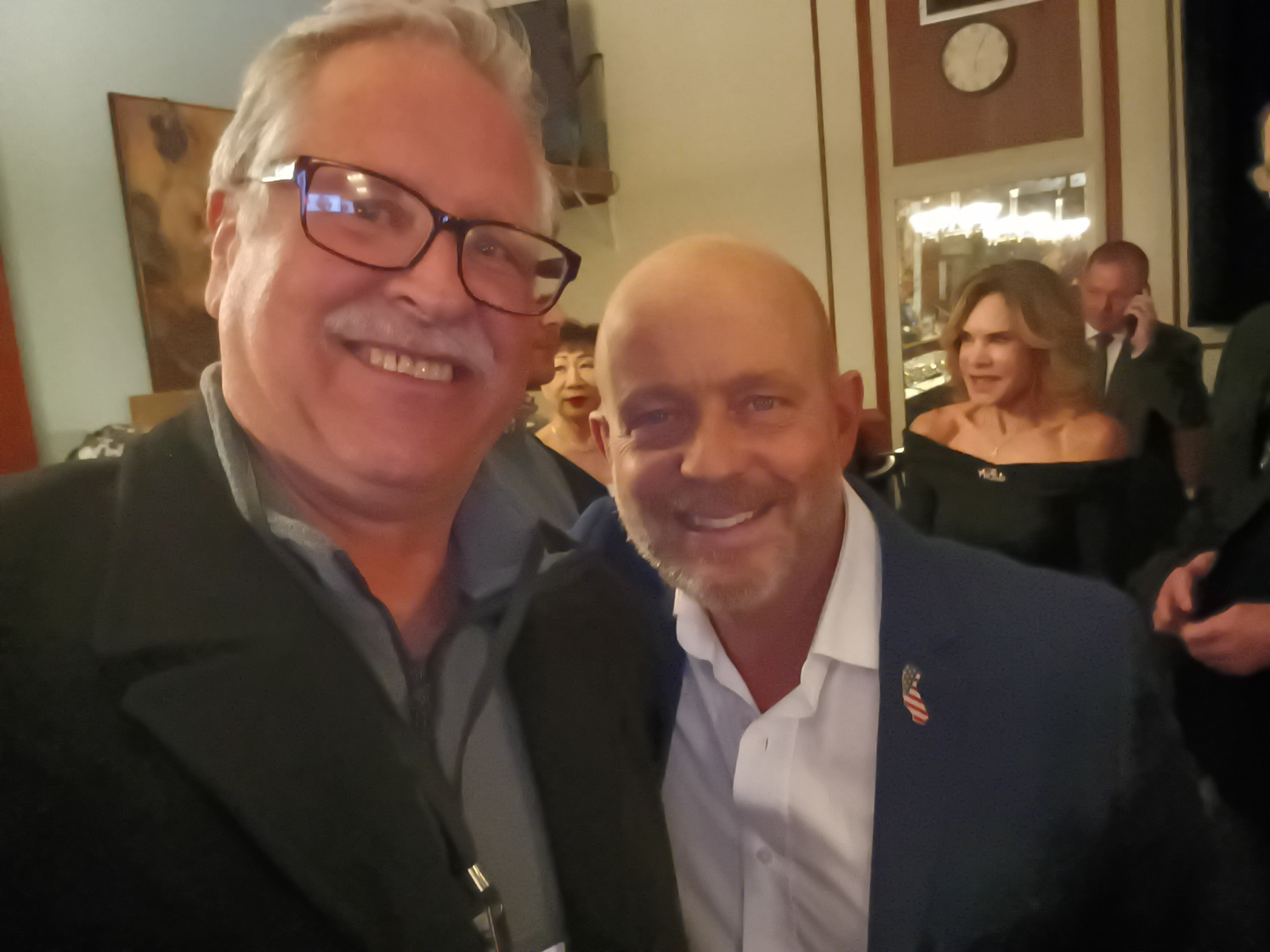
I did not stop advocating when I came home. I continue to meet as an advocate for the elderly with local members of the community, with Assembly members, and with anyone else whose decisions land on the people I used to sit beside. Aging and dying in custody is a policy choice, and policy can be changed.
Why This Exists
Tell me about your loved one.
Every case that comes to The Revive Project gets the same thing my friend got: someone who knows exactly how the system works, building the record the doctors and the courts need to see, and staying on it until the answer comes back. If someone you love is elderly, terminally ill, or permanently incapacitated in a California prison, the first review costs nothing.