Eligibility

Does my loved one qualify?

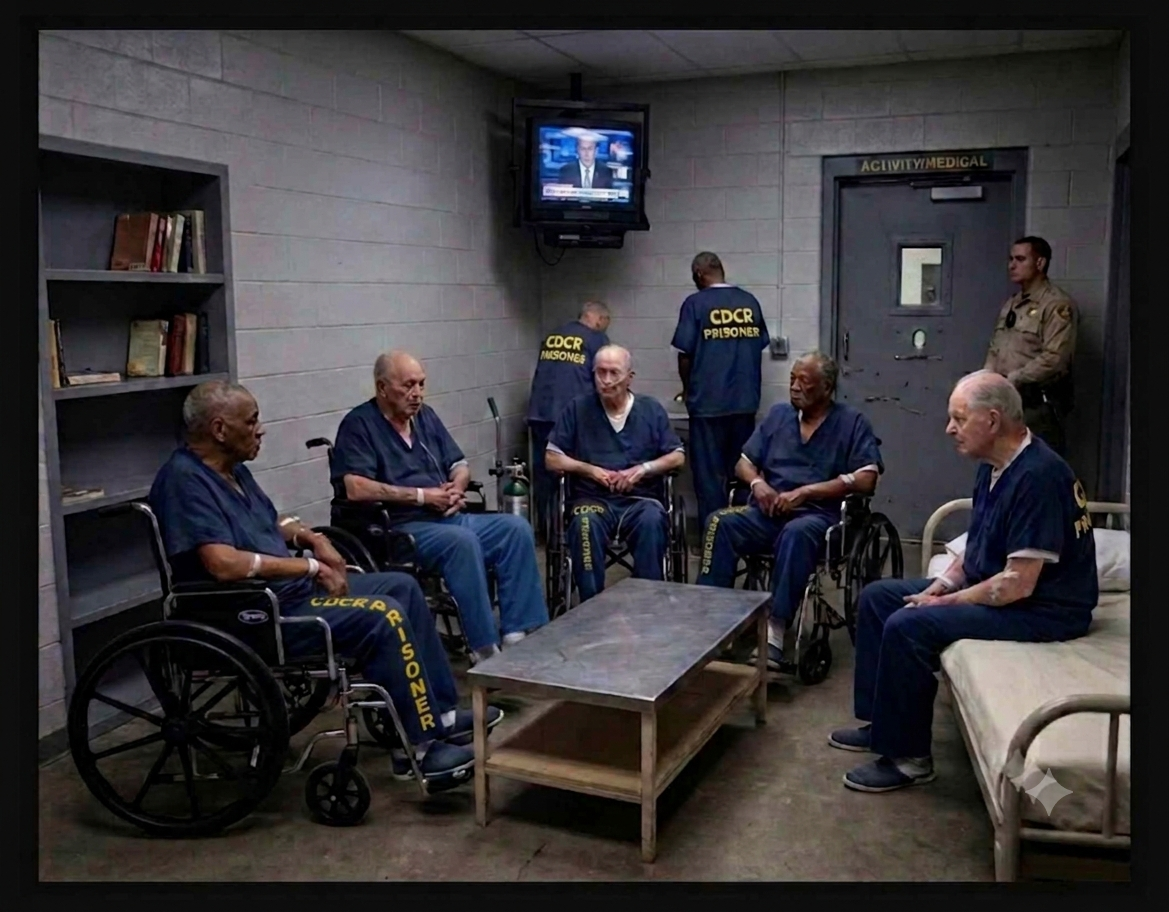
California has three separate release pathways for people who are seriously ill, permanently incapacitated, or elderly. Most families only hear about one of them. Read the criteria below, then send us the details — we will tell you which pathway fits.

Quick signs a case may be worth reviewing

  • A terminal diagnosis, hospice referral, or a physician's prognosis measured in months
  • Dementia, advanced Parkinson's, ALS, end-stage cancer, end-stage organ failure
  • Ventilator dependency, permanent paralysis, or a condition needing 24-hour nursing care
  • A condition that developed or seriously worsened after sentencing
  • Age 50+ with 20+ years already served
  • A family or facility placement that can receive the person on release

You do not need all of these. One qualifying medical condition is often enough to open a file.

01 · Penal Code § 1172.2

Compassionate release (recall & resentencing)

Formerly Penal Code § 1170(e); expanded by AB 960 (2022).

Who it is for. A person in CDCR custody whose medical condition is terminal or who is permanently medically incapacitated.

Criteria

  • The person has a serious and advanced illness with an end-of-life trajectory, OR
  • The person is permanently medically incapacitated with a condition that requires 24-hour care and that did not exist at the time of sentencing, AND
  • The incapacitation is such that the person no longer poses a threat to public safety.

Under AB 960 there is now a presumption in favor of recall and resentencing — the court must grant relief unless it finds the person is an unreasonable risk of committing a super-strike offense. Death-sentenced and LWOP cases are excluded. The petition can be initiated by CDCR, the Board, the district attorney, or the person's attorney.

02 · Penal Code § 3550

Medical parole

Reviewed by the Board of Parole Hearings, not the sentencing court.

Who it is for. A person who is permanently medically incapacitated and requires 24-hour total care.

Criteria

  • The physical incapacitation is permanent and renders the person unable to perform activities of basic daily living,
  • The condition requires 24-hour total care such as coma, persistent vegetative state, brain injury, ventilator dependency, or loss of function in all four extremities, AND
  • The incapacitation did not exist at the time of sentencing.

Excludes people sentenced to death or LWOP, and those on condemned status. Medical parole is a supervised release to a licensed care facility — it is not a sentence reduction, and parole can be revoked if the person's condition improves.

03 · Penal Code § 3055

Elderly Parole Program

Also handled by the Board of Parole Hearings.

Who it is for. Older adults who have already served a long term.

Criteria

  • The person is 50 years of age or older, AND
  • Has served a minimum of 20 years of continuous incarceration on their current sentence.

At the hearing the Board must give special consideration to how age, time served, and diminished physical condition have reduced the risk of future violence. Certain offenses and sentences are excluded by statute.

Important. This summary is general information about California law, not legal advice, and statutes change. The Revive Project, LLC is a consulting practice — we are not a law firm and we do not provide legal or medical advice. Always confirm current requirements with an attorney or with CDCR.